
Schweigert 101
Part 1 of The Process interview with the one and only Carol Schweigert

The Process, Episode 3.1: Carol Schweigert
It’s the return of The Process! The Process is an exploration of art, writing, music, dance, water sports, whatever and etc. through conversation with the artists who do the work. What it is to live a creative life in these times, where does inspiration come from, and what the heck is next?
Episode 3 of The Process stars the one, the only Carol Schweigert. I’ve known Carol for about 25 years now and thought I knew just how amazing she was…until I started asking about her process with the paint brushes. I am blown away. Carol is a capital-A Artist who paints indoors and out, can chat with you over dinner while expertly sketching what’s on the plate, reads, runs, is the mother of an awesome young man, and lives her life as an unfolding work of art.
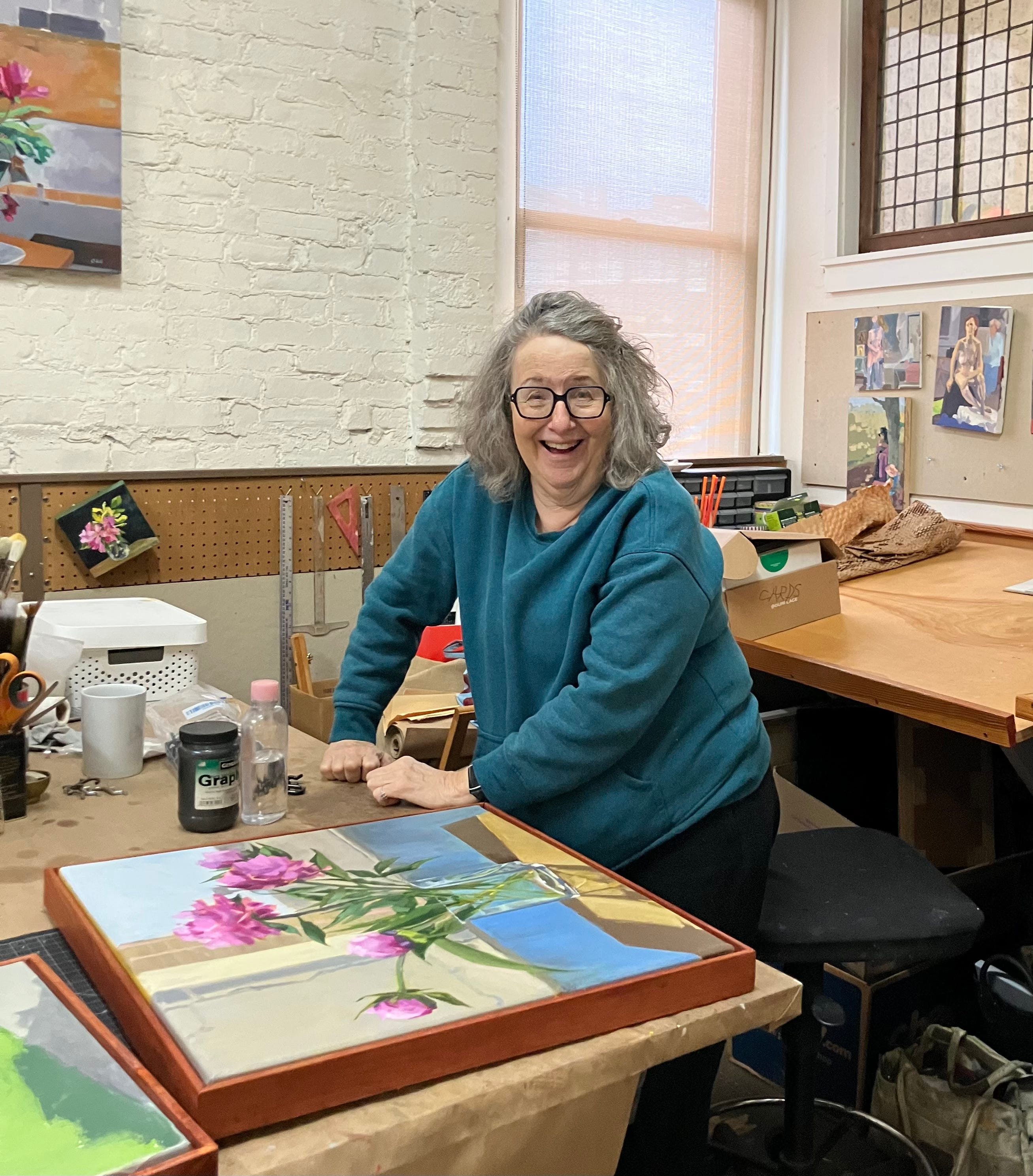
I visited her open studio back in December to take most of these photos, and then met with Carol over Zoom where I pointed and ooh-ed and ahh-ed at the works I could see over her shoulder during our chat.
This is the first of a three-part interview
S=Carol Schweigert, Artist
C=Cate, girl with many questions
C: What are you working on right now?
S: I have been doing large floral paintings. Oh, that sounds positively antiquated! I hope they don’t look antiquated. But I’m having fun and you know, it’s varied. One of the things that my rather perceptive kid told me is that I don’t really paint flowers; I paint the vases and the reflections.
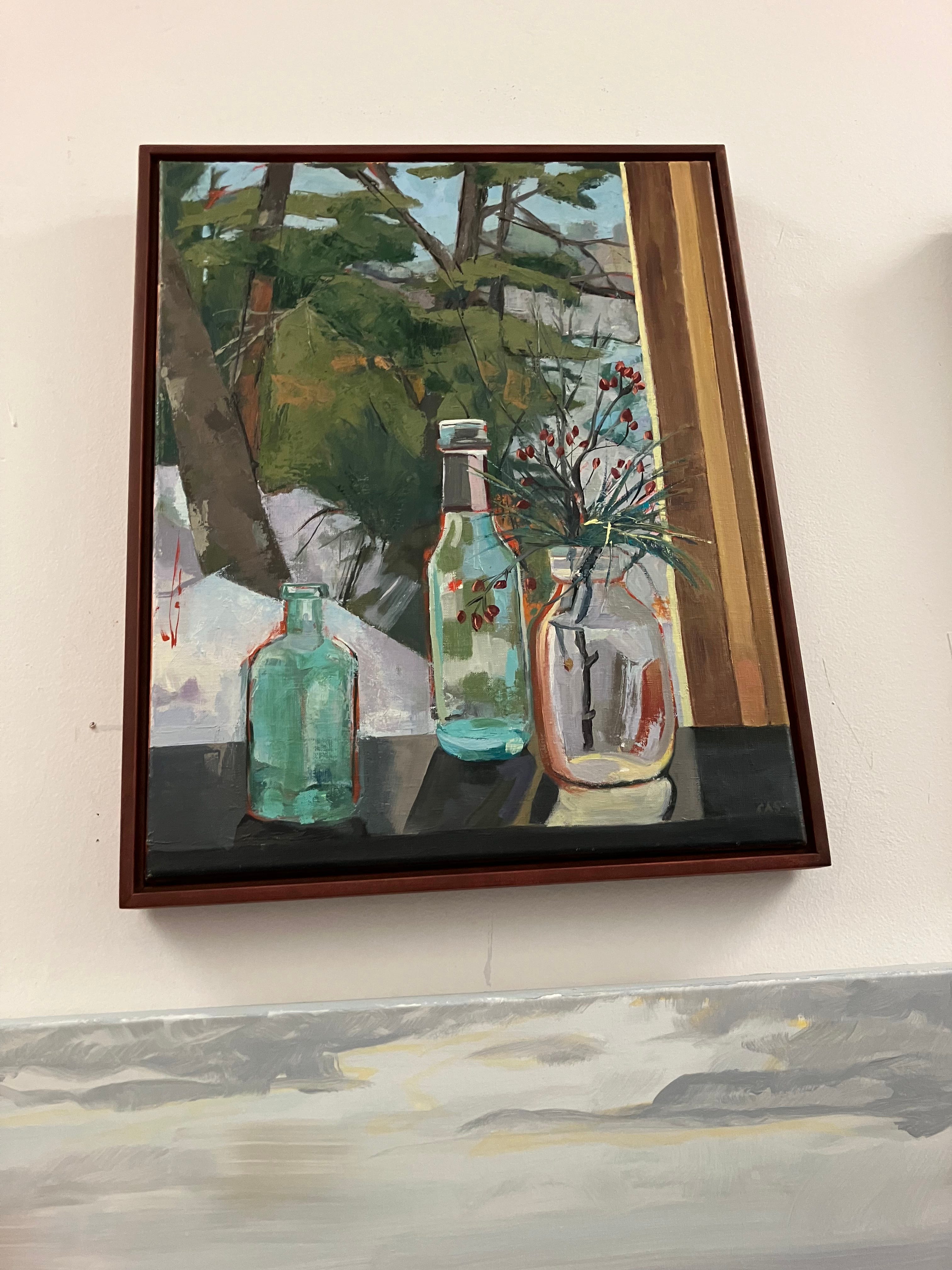
C: It’s beautiful.
S: And thank you. Then I have, let’s see, this one with some peonies sliding…
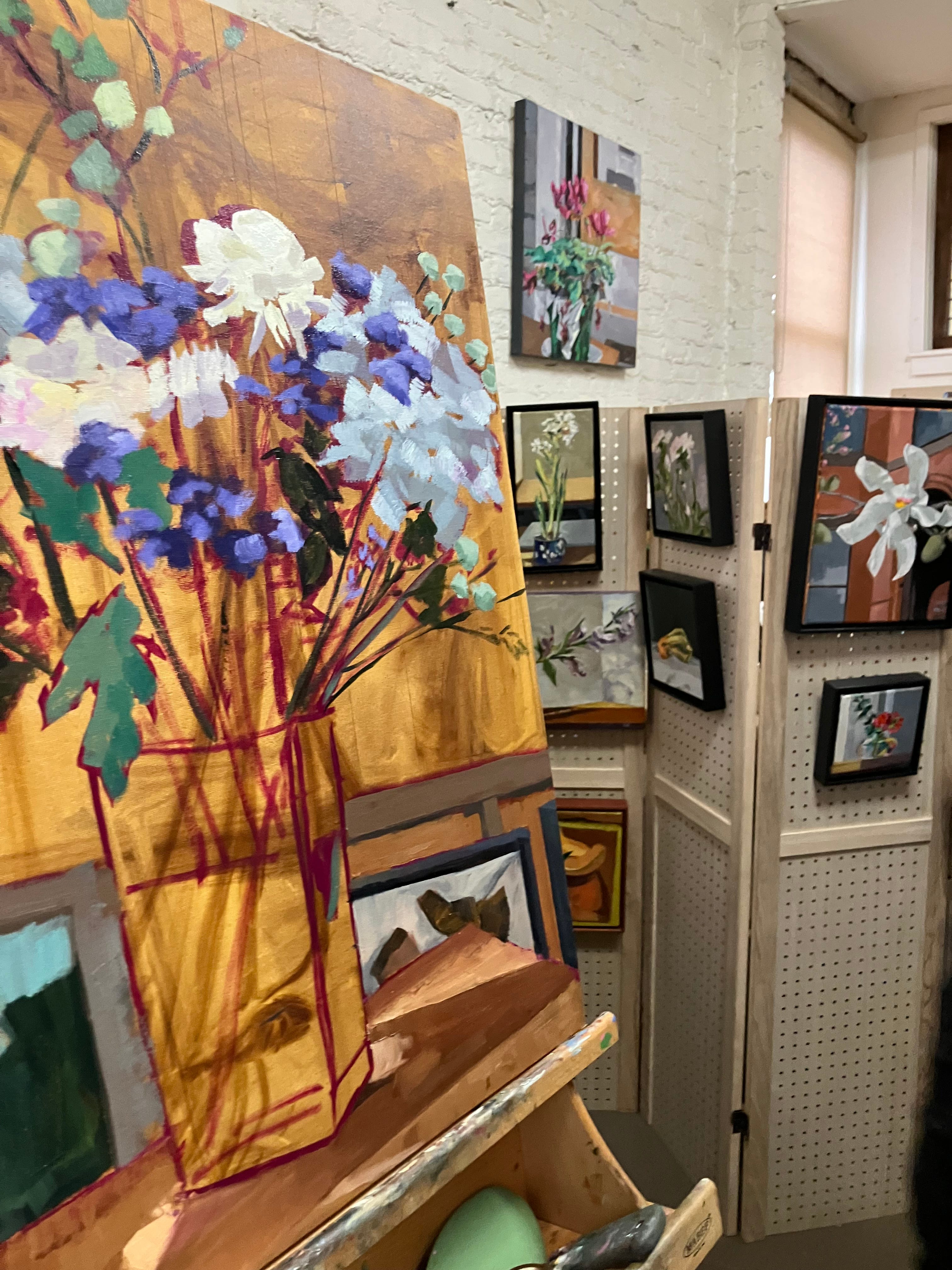
C: Tell me about the bottom one there. how did you start that?
S: I had some flowers, I do paint, you know, from reality. At least it starts with reality. I did a quick burnt umber wash on the background to kind of give me a mid-tone, a warm mid-tone so I could go lighter from that or darker. It’s a traditional way of helping you nail the values. And a lot of the times, for something to be really perceived correctly, getting the values is much more important than getting the color.
C: Interesting.
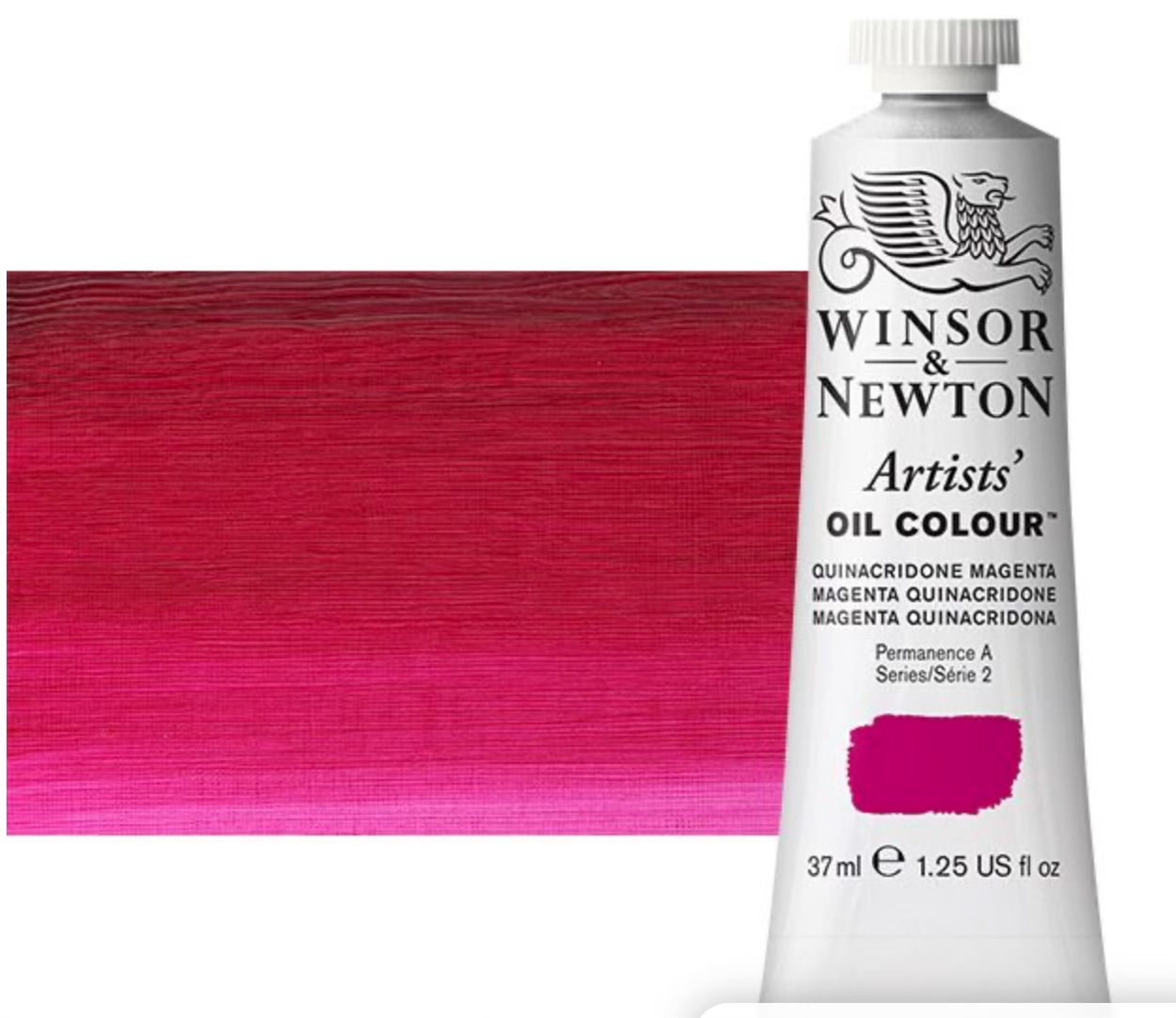
S: Get the shape, the depth, and then I do a quick sketch. These days, instead of something subtle that’s going to disappear, I might pick up something called quinacridone magenta. And that will pop, it will remain visible in a few places as the painting proceeds, as will the background. But I just build on those layers.
C: Okay, so I still have some questions. When you say you sketch, are you sketching directly onto the canvas?
S: Yes.
C: And then painting over the sketch, is that how it works?
S: Well, I’m sketching with oil paint.
C: With paint. Okay. All right..
S: In my choice of bright red colors.
C: Friends, it’s time we talk palettes. And by “we”, I do mean Carol. (hands the mic to Carol…)
Schweigert speaks: What is a palette? Actually it’s 2 things.
A palette is the flat physical object where an artist squeezes and mixes her paints, possibly a traditional wooden palette with a thumb hole, a pad of disposable paper palettes or a sheet of glass. A neutral grey background can be helpful to establish relative values.
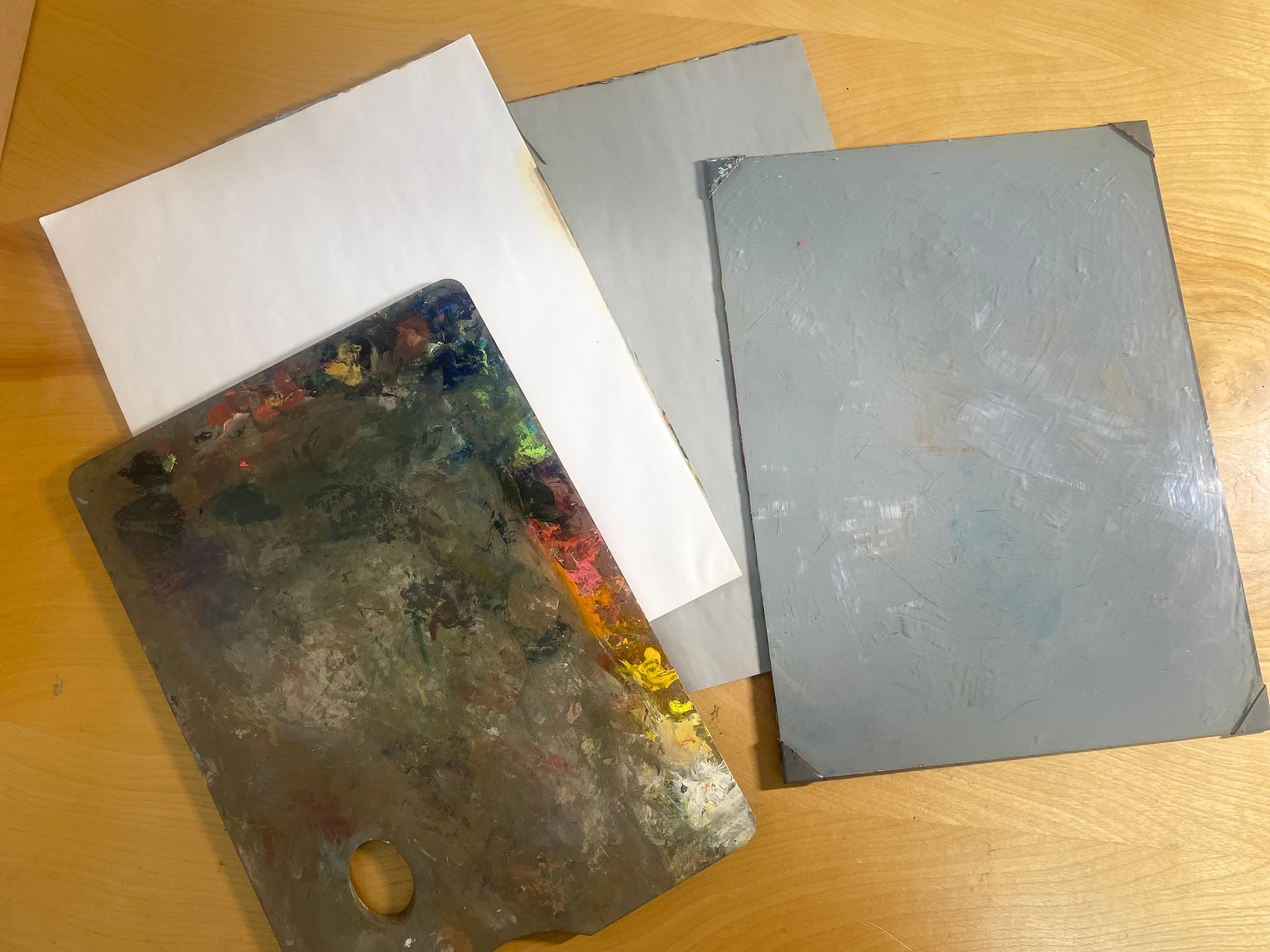
A palette is also the selection of colors the artist chooses to work with either on a specific piece or in general. As post Industrial Revolution artists, we have an astounding array of paint colors and pigments to select from. Sometimes a bit of restraint is good for a cohesive piece, but ultimately it's what works for you, the individual artist. I usually use a double complimentary palette, selecting warm and cool shades of reds, yellows, & blues and then add a couple tubes of paint that just seem to work magic for me. For example, I like to add a bit of Williamsburg Persian Rose to mute a vibrant green or Quinacridone Opera for a shockingly vibrant pink. When painting En Plein Air, I need to work fast, and knowing my paints helps.
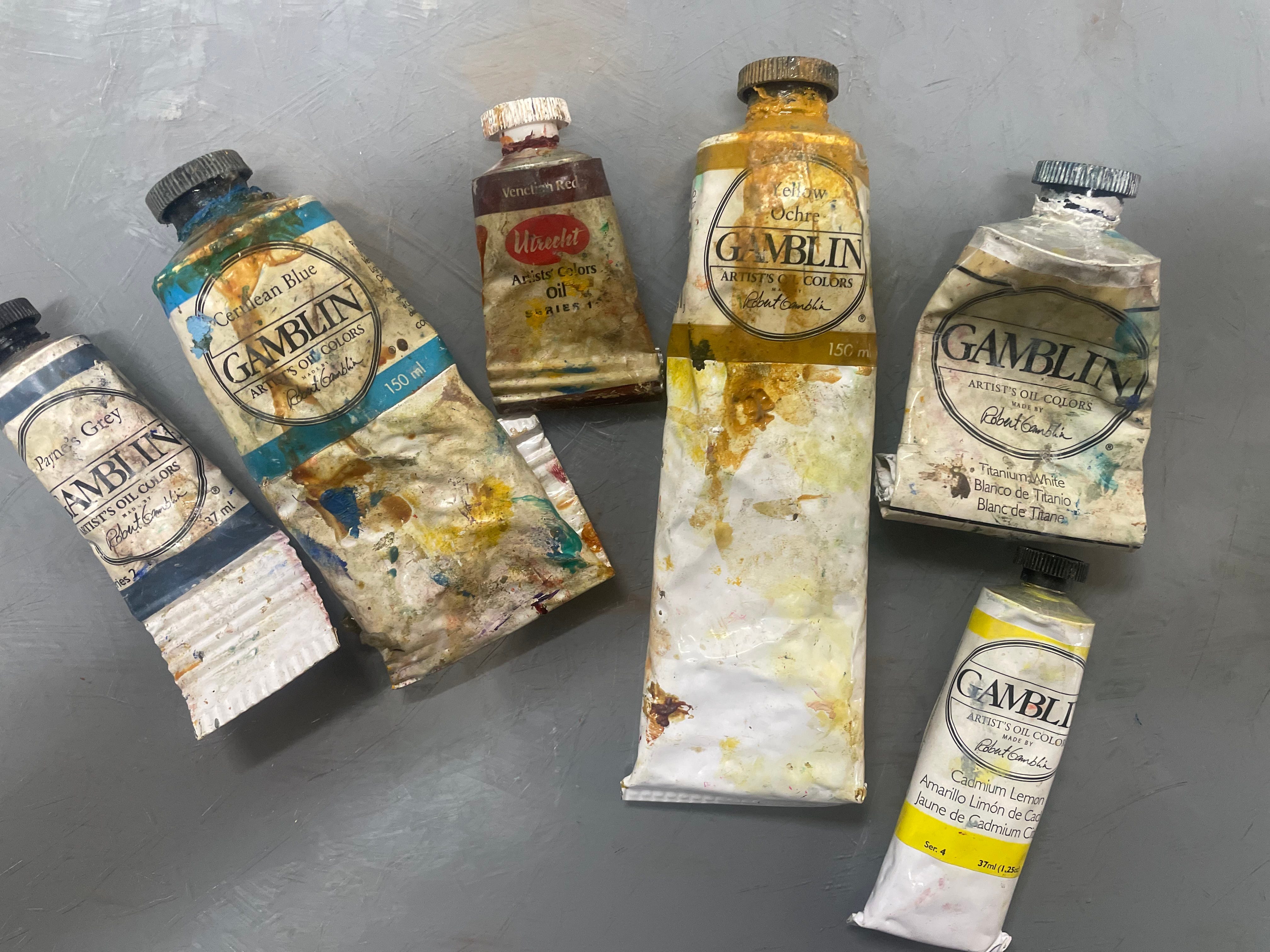
One way to start is using a limited palette and see how far you can take it, or now, as a palette cleanser . . . another type of palette? I spent some months just using the 6 colors below to learn much I could do with them, The Cad Lemon was to be used sparingly.
Now back to our program, already in progress…
C: Do you build your palette first before starting a painting?
S: Um, no, it’s usually a work in progress. There are certain pigments I almost always use, that are always on the palette. But the idea that you can mix every color out of three colors is…cute.
[lots of laughter]
C: I’m about to learn something…
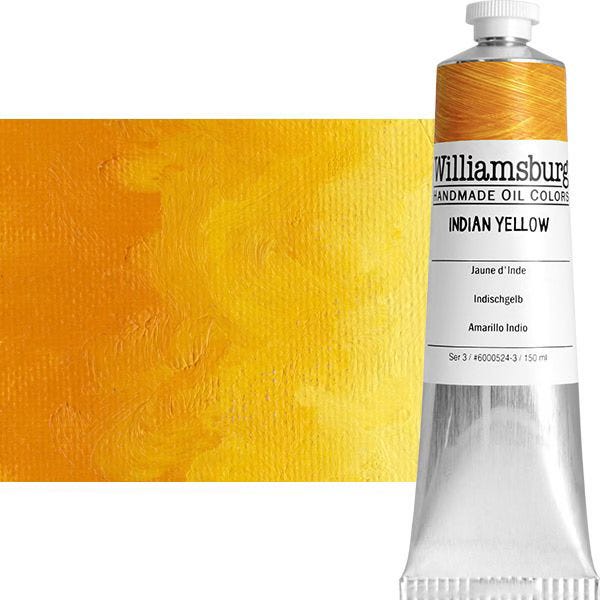
S: Pigments don’t quite work that way. Pigments are not science and light and colors overlapping in a video kind of way. It’s a little more subtle. There are times when I decide I need a lemon yellow, as opposed to a deeper yellow, or a cadmium, which is solid, not transparent. I never discovered how to use transparency until 10 years ago…I mean, I knew about them, but not how to use them. Now I always have Indian yellow with me because it’s so transparent. And I work on balance: can I make a deep green, with say, an ultramarine blue, and not have it get obnoxiously lighter? So it’s sort of, I wouldn’t call it all the way to chemistry, but dabbling in it.
C: What do you mean by transparency?
S: When you squeeze out that Indian yellow, you can put it straight over a printed page and still read right through it. Yet it’s an intense yellow.
C: Wow, that’s really cool.
S: But if I use a cadmium, they will be opaque. Which becomes real handy in color mixing and achieving different nuances of color. I can wind up spending a lot of time mixing color.
C: Oh, it’s beautiful. So you mentioned oil, you’re back to oil? [Carol had stepped away from oil paints for a number of years]
S: Yes, I am. I had a problem—I was getting dizzy when I was using oils and thought the problem was with the oil paint. Now I am really careful about what kind of toxic chemicals—meaning the mediums—paint thinner, that kind of thing, that I mix with my oils. But the oil paints themselves, unless you’re eating them, aren’t gonna be a problem. And I do I wear gloves, because I strongly identify with the Peanuts character Pigpen—I can walk into the studio and a wet painting will just jump up at me.
C: I’m like that with food. Whatever is in the kitchen’s gonna end up mostly on me.
S: Oh, it really gets you in touch with what you’re eating!
C: Tactile, a complete experience. It’s so interesting talking to you about painting, because I’m always learning things. You’re working with depth—I want to say depth perception, but really more on different layers, layers of color, and then also the size of the canvas.
S: Yes. There is a process I follow to get a few layers, and then once it’s sort of getting recognizable and I like it, I’ll be tweaking different places and maybe scraping down and doing something over the different spots.
C: When you start with these flowers, how directed are you by the still life? Is there a back-and-forth, or are you trying to recreate the still life on the canvas?
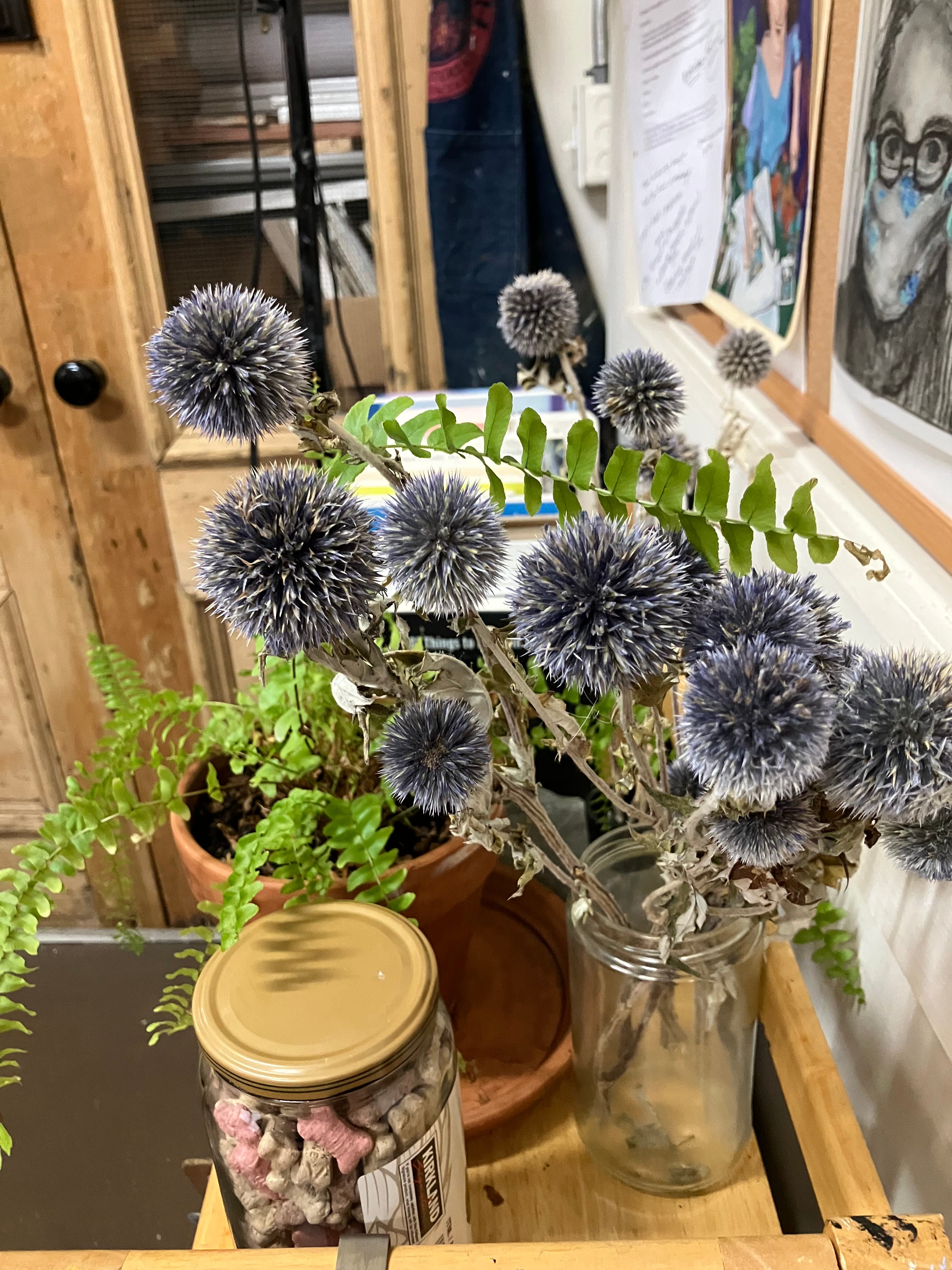
S: I’m not trying to accurately recreate it. 100%? No, I don’t have the attention span.
{laughter}
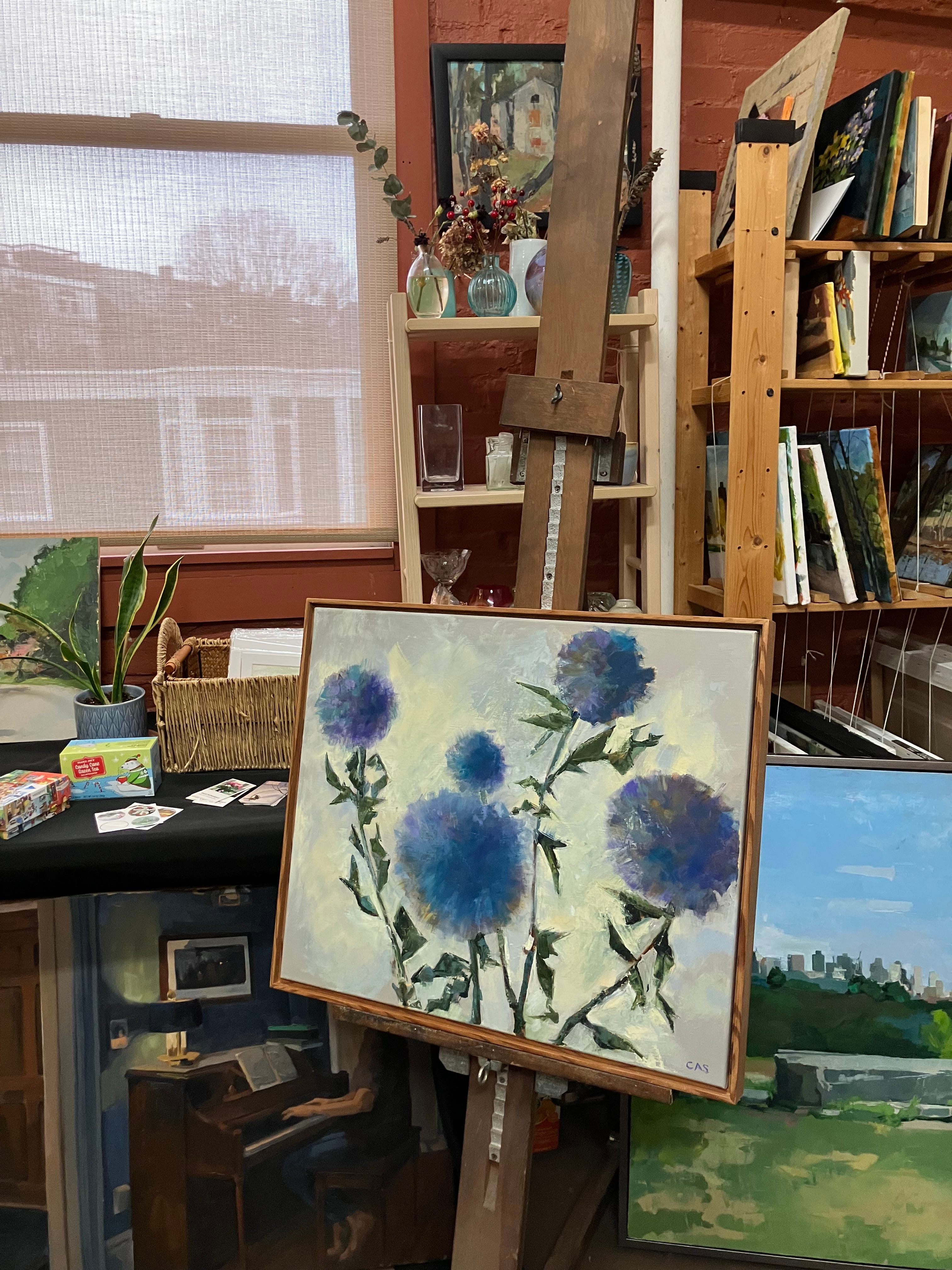
And those dang flowers die pretty fast.
C: Yeah, okay.
S: Although, there’s part of me that would love to take a workshop on how the Dutch floral painters worked in the 16th century. As I understand it, a horticulturalist looking at those incredible displays would say that not all of those flowers were blooming at the same time. So did they paint one flower at a time, maybe early spring flowers, and then wait until fall for the asters to come out?
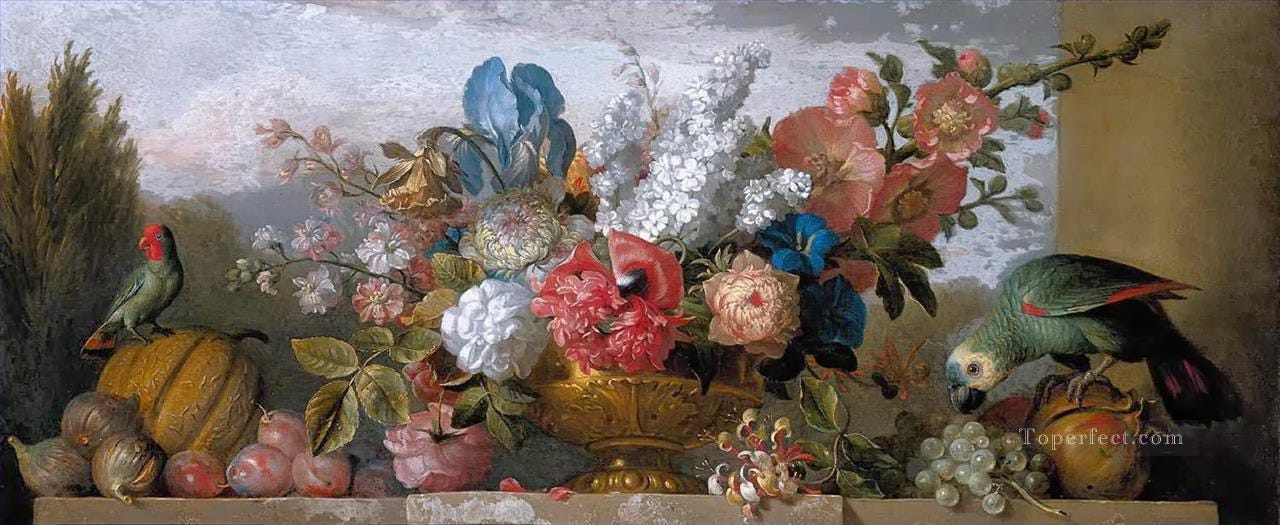
C: I never thought of that—you’re looking at a shot of time over a few seasons.
S: Yeah. They didn’t have the advantage of having flowers shipped in from the Netherlands. Speaking of my choice of flowers, one of the things I really liked when I was living in Vermont, and can’t do quite so much here, was picking flowers from the edge of the road or growing them in my overgrown yard. As opposed to supermarket roses who all have perfectly straight stems and perfect posture. No, you’re boring! I haven’t yet taken to running out in my neighborhood with scissors at midnight.
C: Oh, it’s coming.
S: Instead of buying those funky straight ones, I probably need to get into the flower market here in Boston and find the ones that they’re gonna throw out—a little used and abused. I don’t want them to look plastic. In the same way, I always mix my green paints. I don’t use straight from the tube green. Because it looks like plastic to me or a car color, you know?
C: More plastic/commercial than what’s out in nature.
S: Nature has nuance.
C: So how do you decide a painting is done?
S: That is a big question. Some here in the studio still have a lot of the early work showing through, the background and everything. I may just add a few stems, put highlights on a vase, and leave it as it is because I think I like it. Is it done when I like it?
C: That’s legit.
S: Or is it done when I love it? And I have the good sense not to break it up?
C: I hear you know! When I’m writing a story, it’s a struggle to get to the end, like being washed up on the shore. I think, phew, it’s done at last! Later I go back and think, Jesus, who left it like this? So I start fixing things. But then there comes a point where it starts to feel overworked. Do you know what I mean? I want that original energy there, but I also want it more shaped. I wonder if you have that experience.
S: Yeah, and I don’t want to be overly clever.
C: Yes!
S: Or, I like a rawness to it.
Great start to the interview, can’t wait to read more. Also Carol’s paintings are so lovely!